
| Type | CEC-support Ranch Pilot |
| Organization | Gentry Ranch Partners LLC |
| Country | USA |
| Region | Barber County, Kansas |
| Grass Type | Tall, mixed-grass and sand sagebrush prairie |
| # of head of cattle | 255 cow calf |
| Hectares | 1,942 |
| Language | English |
| Date modified | May 2015 |
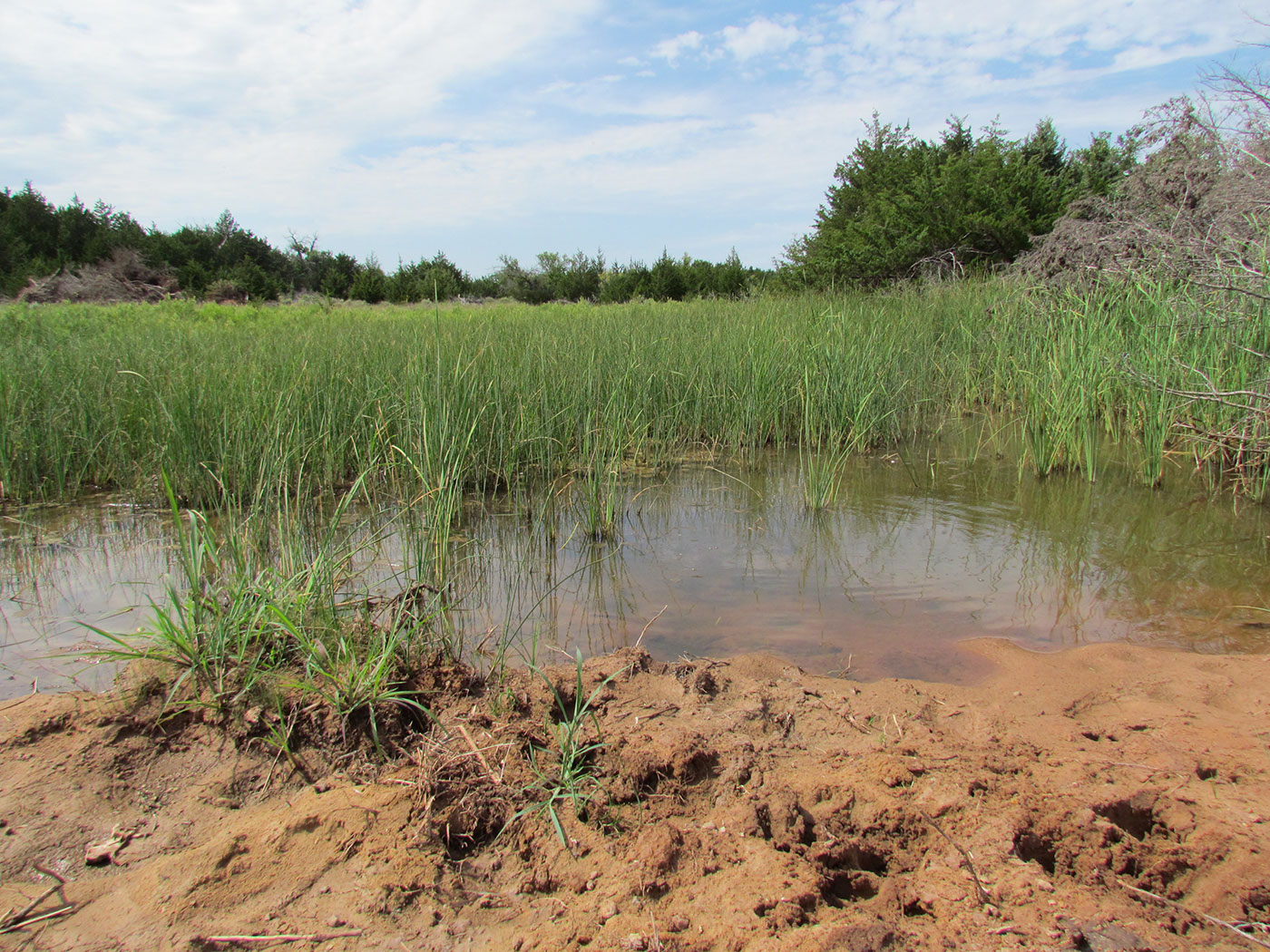
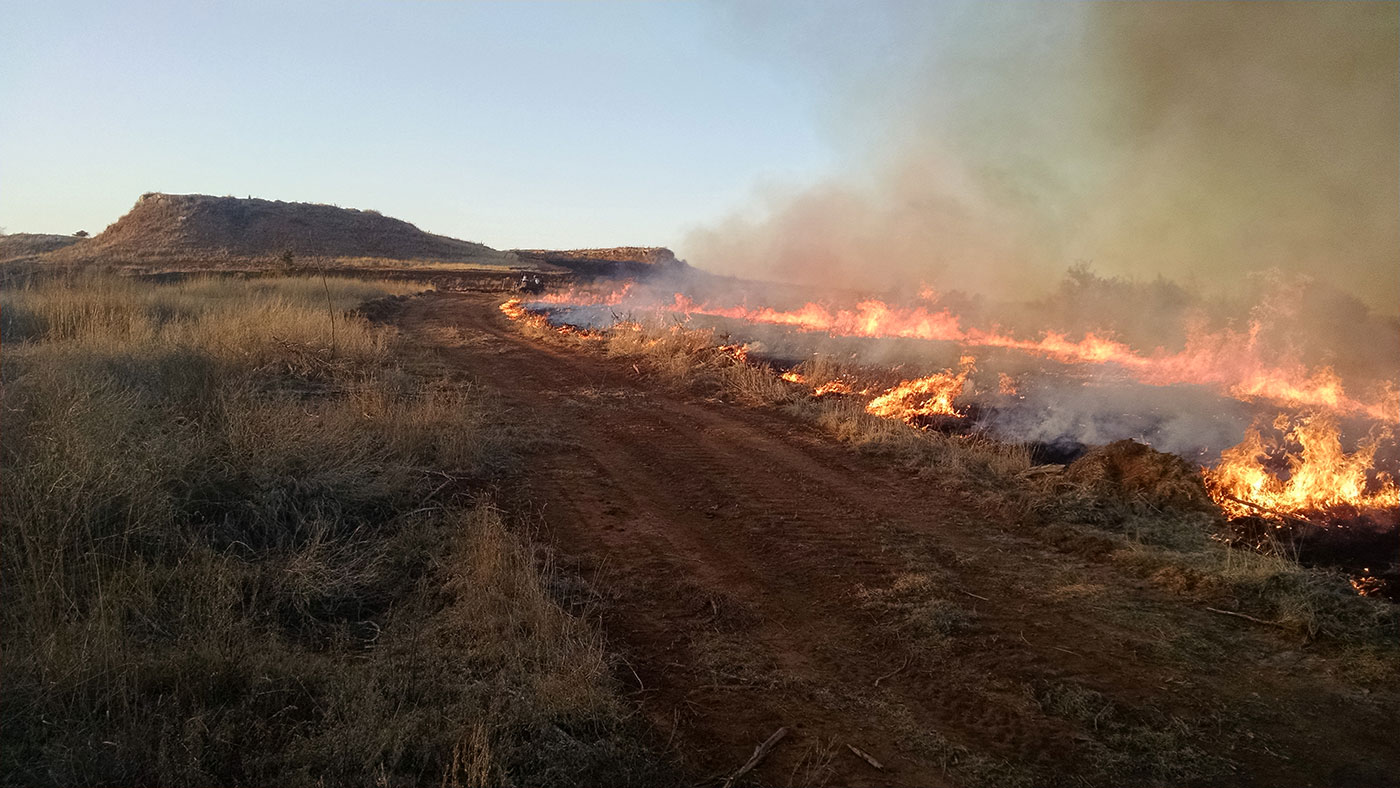
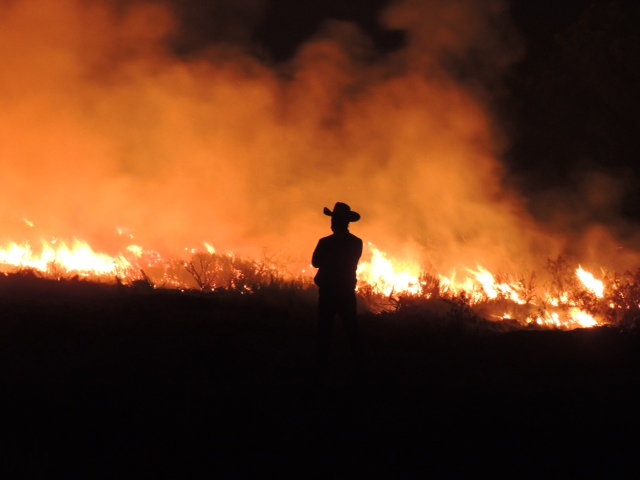
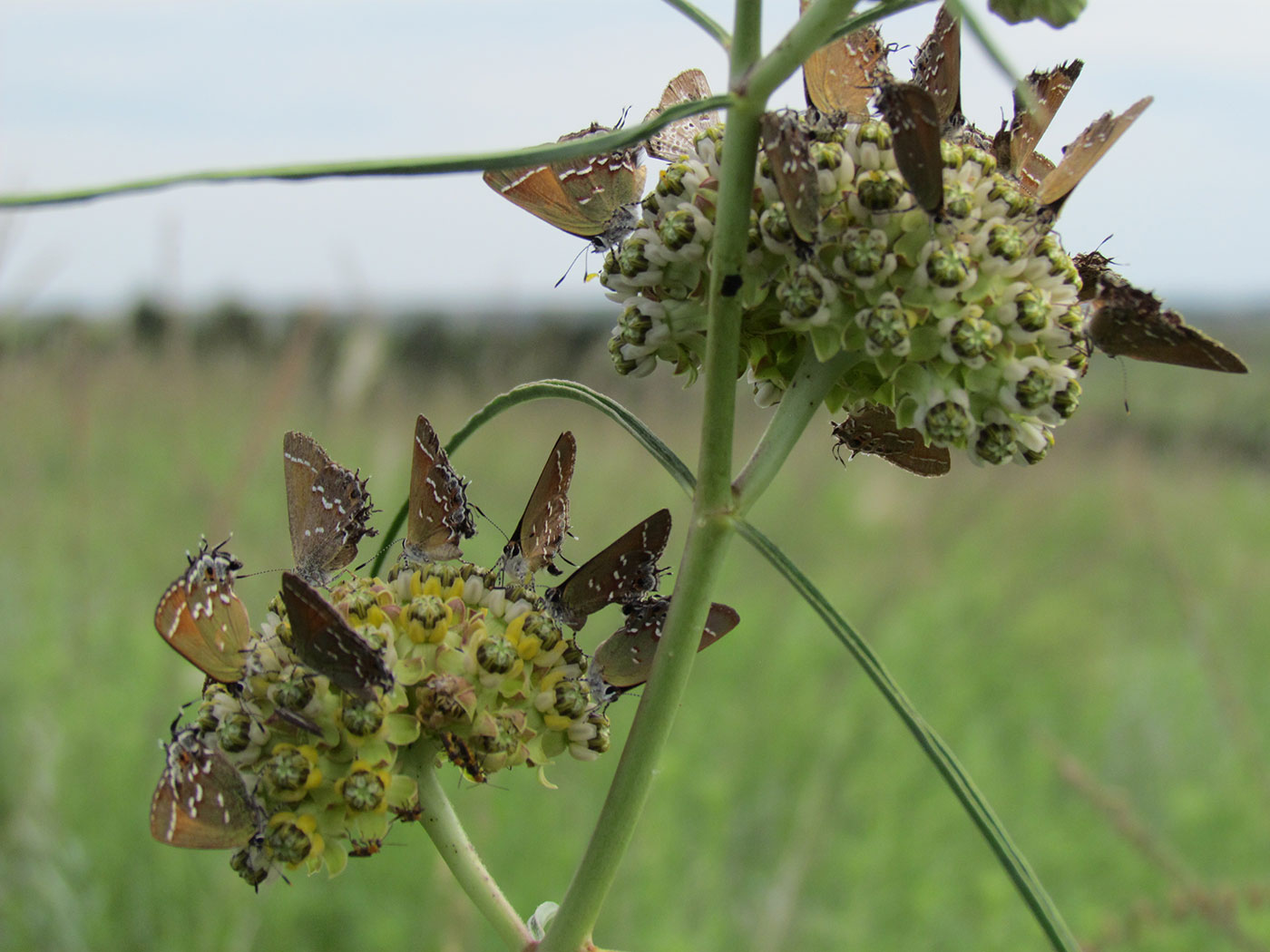
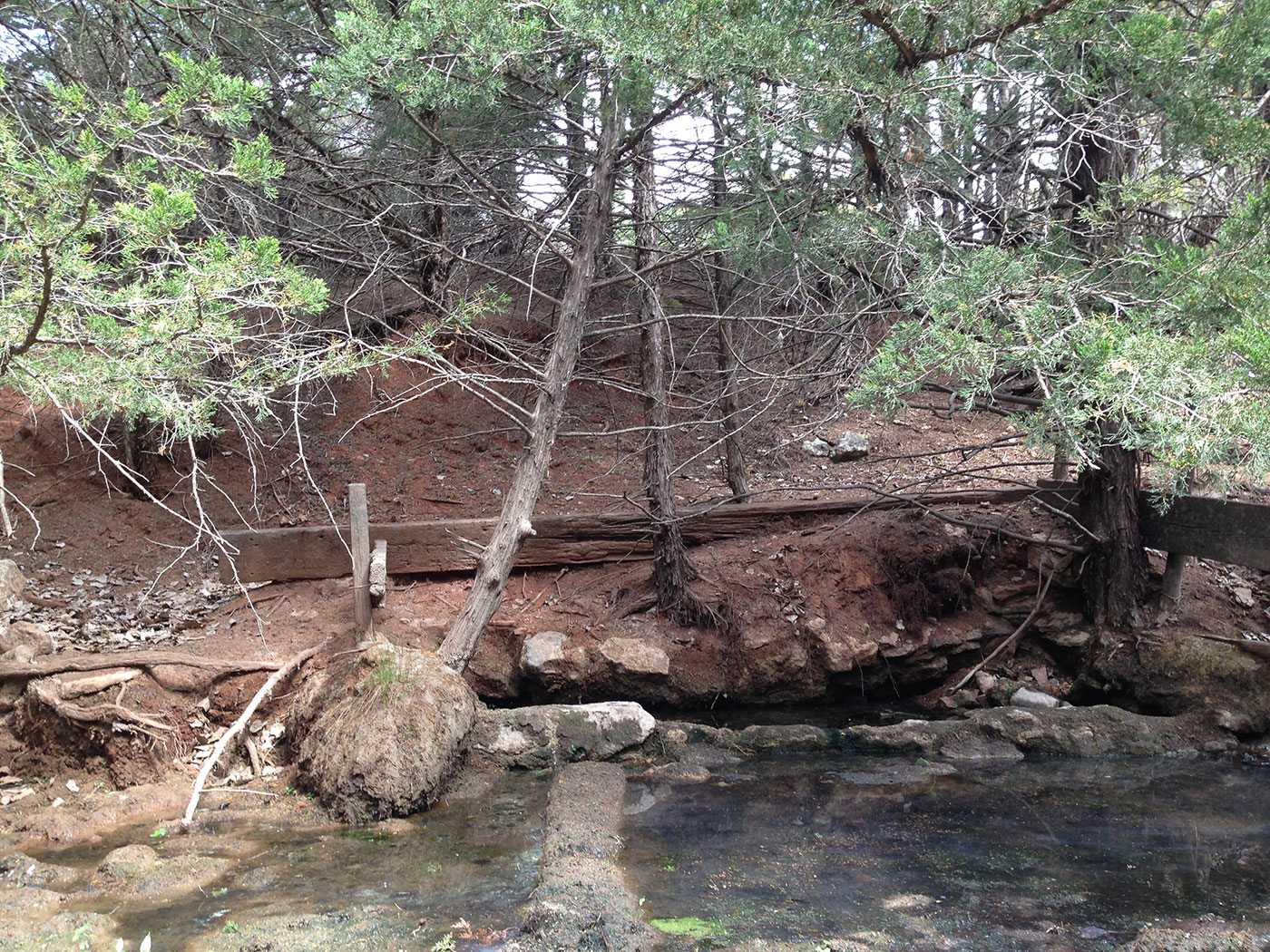
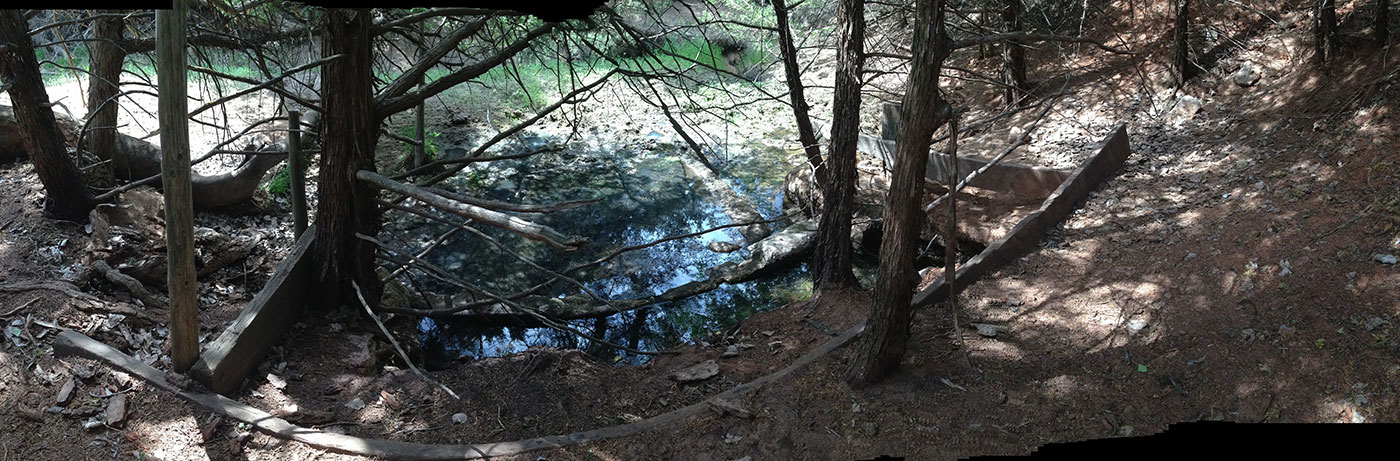
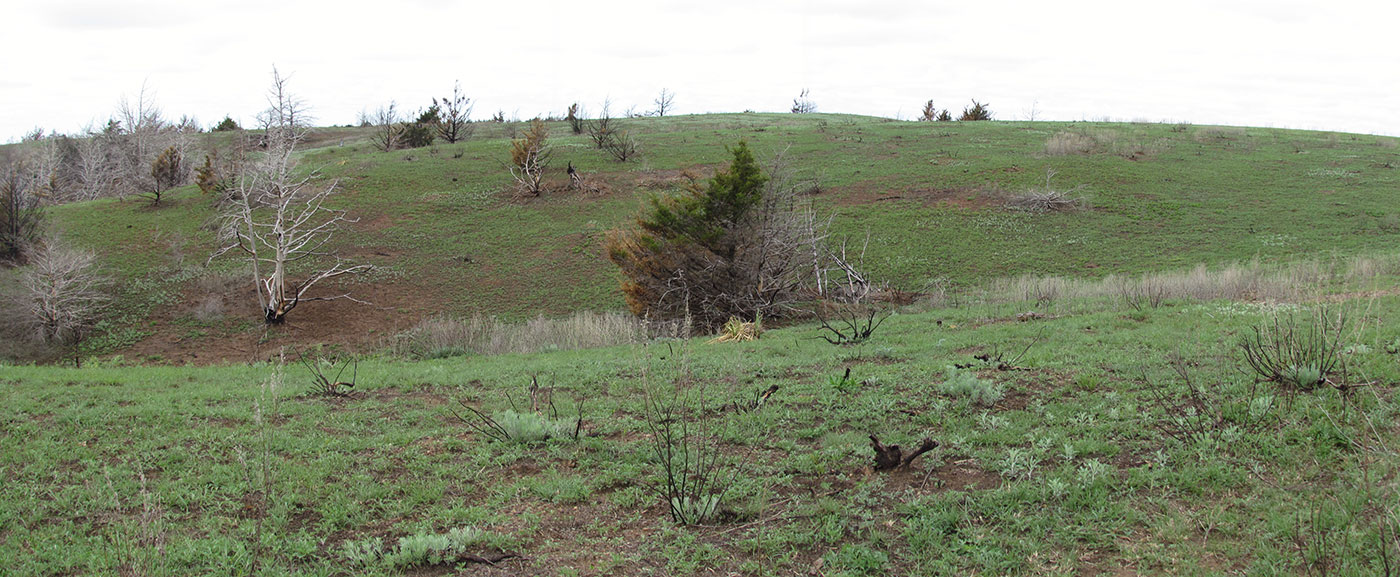
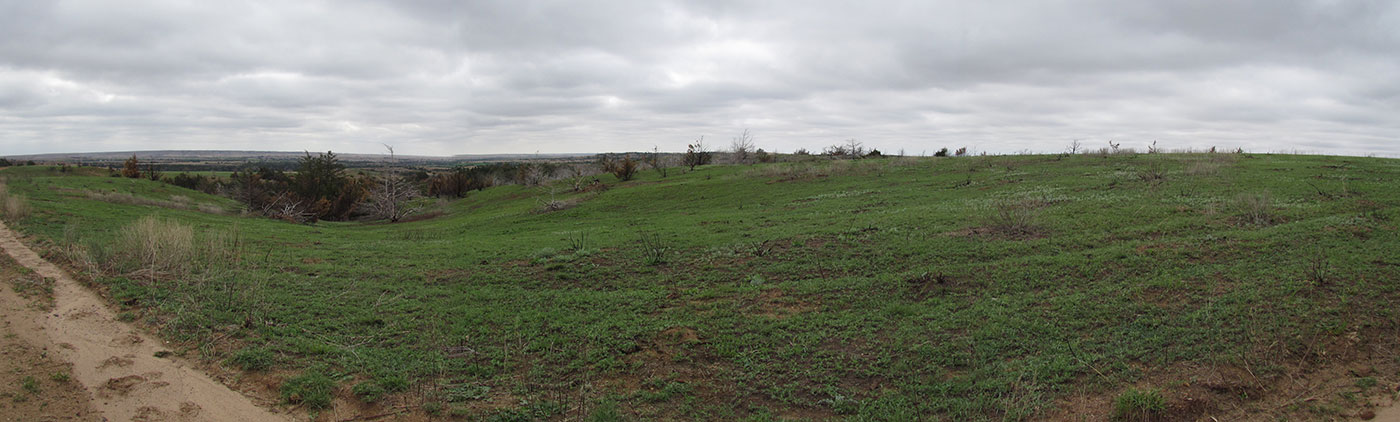
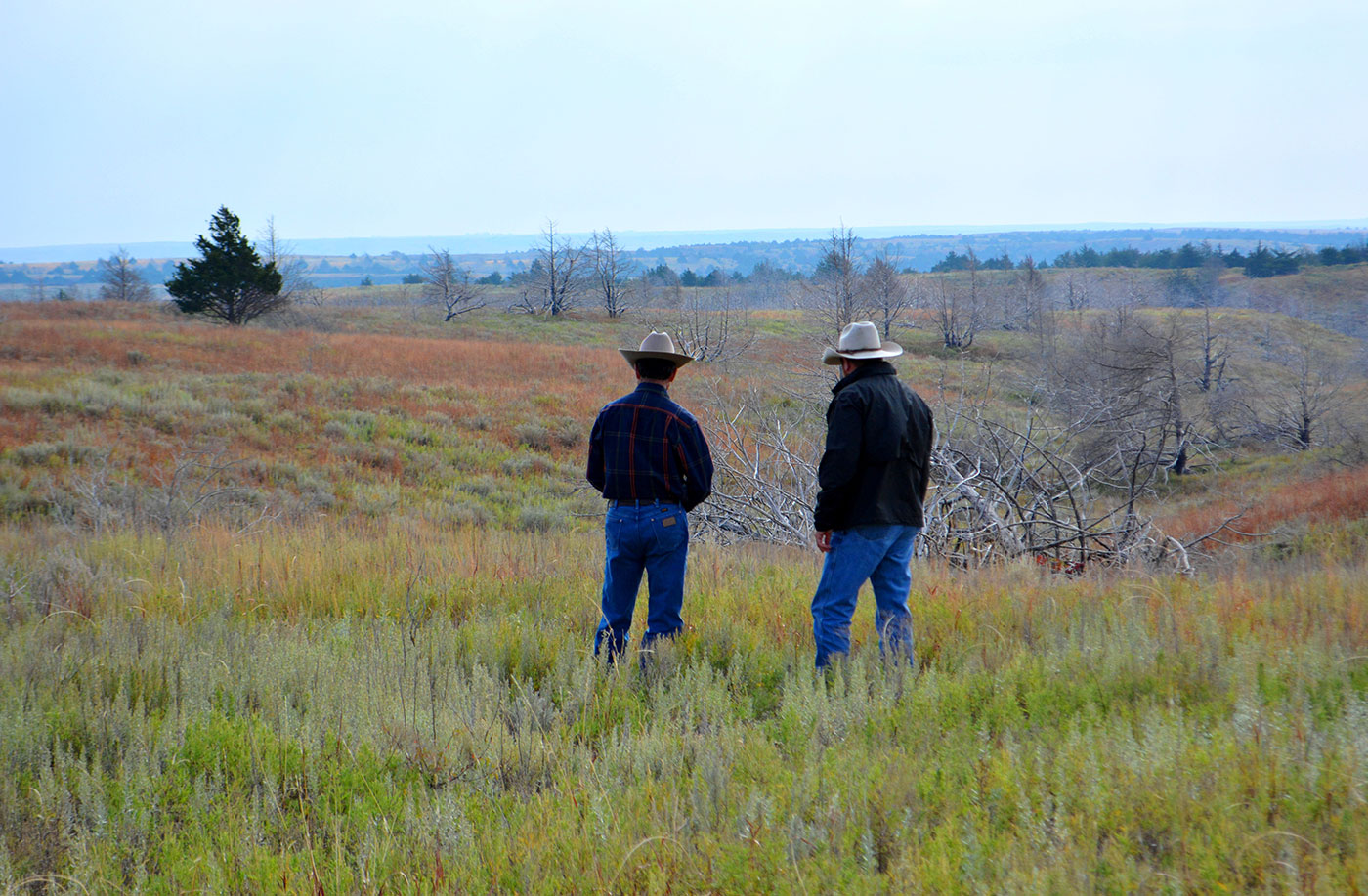
Gentry Ranch Partners LLC is located in the heart of the Great Plains within southwest Kansas. The ranch manages Angus- and Hereford-based cow/calf pairs on an area with a diverse native plant community, abundant wildlife, springs, and caves. Practices carried out through this 1,426-hectare project included firebreak establishment and prescribed burns.
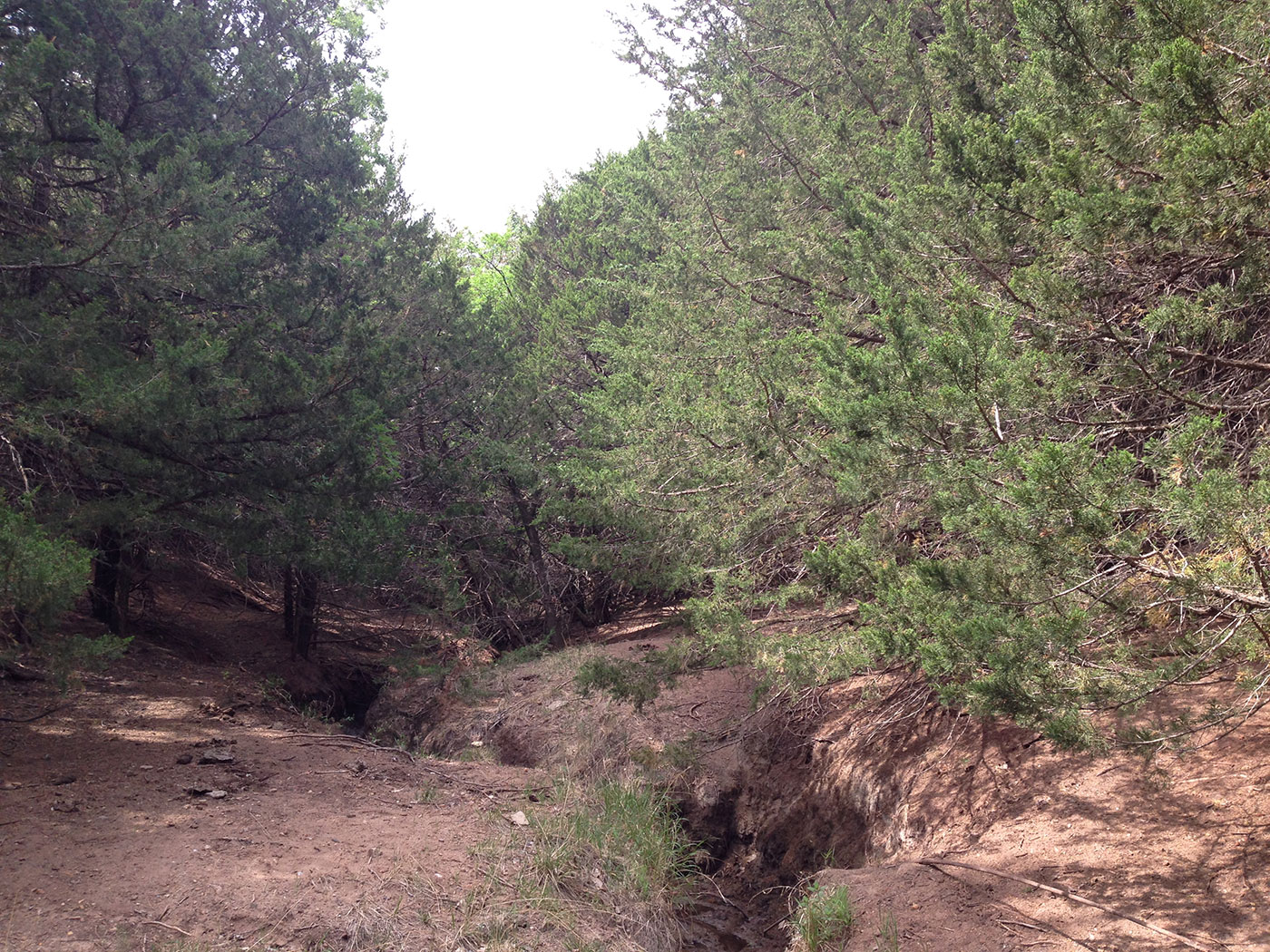
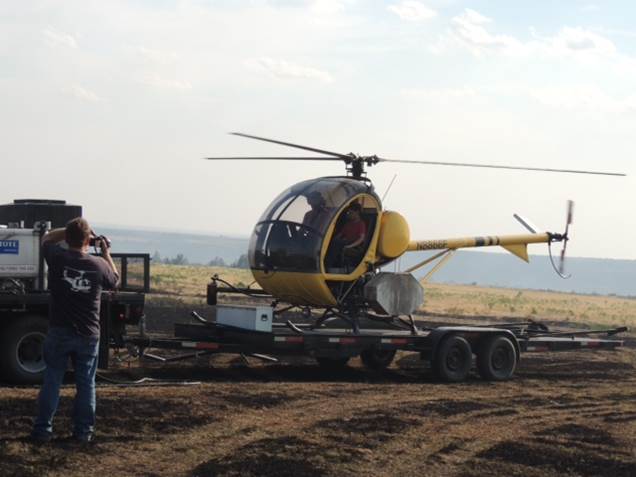
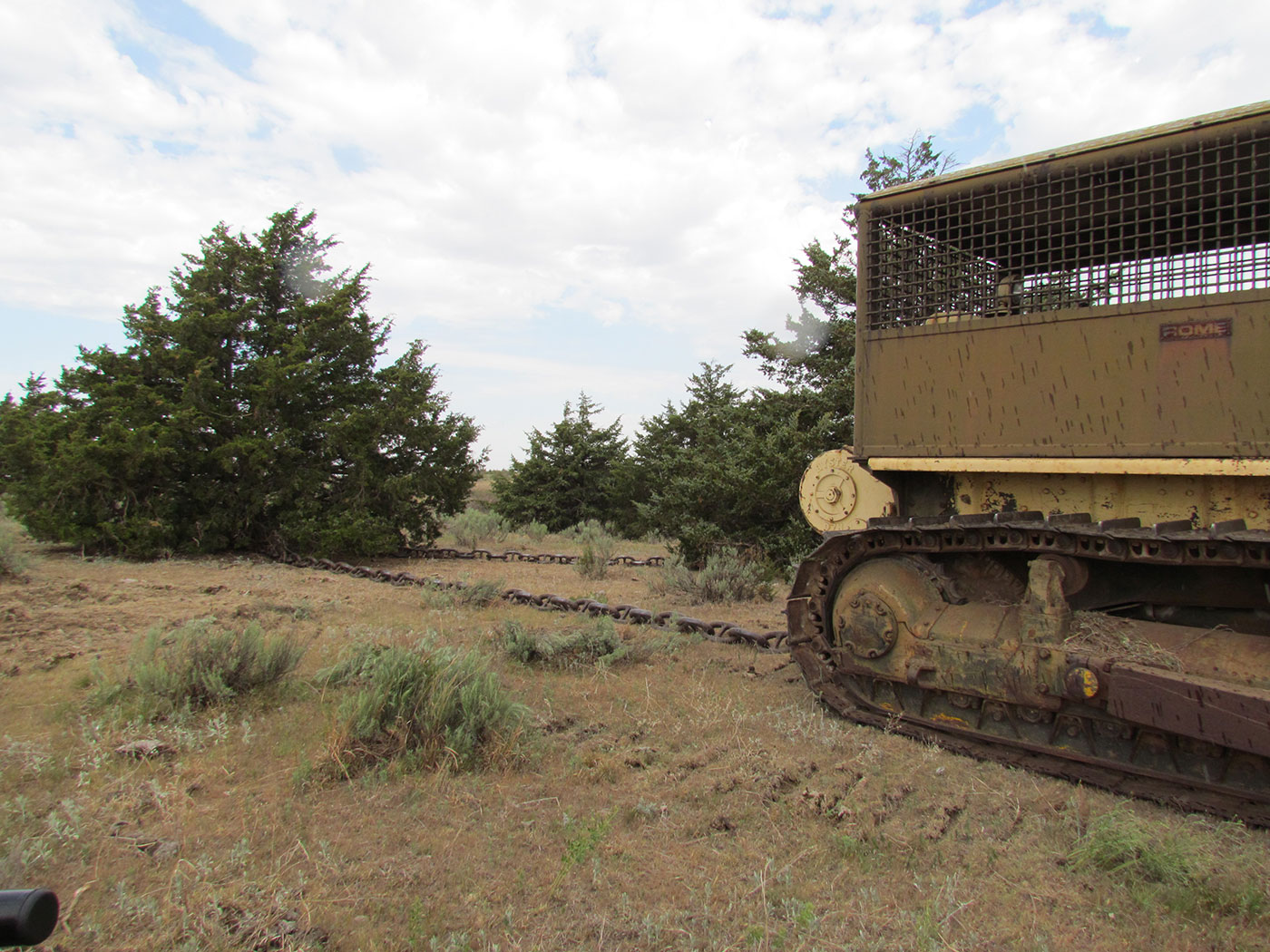
Prescribed burns are required to control tree invasion within this region, especially eastern red cedar (ERC). The invasion rate of ERC has been estimated at over 308 hectares per day in Oklahoma. ERC encroachment lowers water resources, reduces the land area available for livestock forage production and grassland bird habitat, and increases the risk of catastrophic wildfires. For example, trees with diameters of 2.5 and 30.5 centimeters have been estimated to use 1.9 and 79 liters of water per day, respectively. Additionally, the canopy intercepts the majority of rainfall in that area before it reaches the ground. ERC water use thus results in reduced groundwater recharge and baseflow of streams. Cattle stocking rates are also lowered because the dense canopy of the ERC prevents herbaceous growth. The manager of Gentry Ranch has been a leading member of the Gyp Hills Prescribed Burn Association, assisting other landowners by providing expertise, equipment and labor. This project utilized three innovative approaches: growing season burns, closed canopy ERC ignition techniques, and a chaining demonstration. Thirteen kilometers of firebreaks were installed and numerous fire management resources were prepared. The growing season burn was unique because the vast majority of ranchers burn during early to mid-spring; however, research suggests that warm season burns suppress woody species more than cool season fires and mimic historical fire seasons. In addition, crown ignition techniques were utilized to burn mature closed canopy ERC where igniting trees can be a challenge. Dead trees were cut and stacked against live standing trees along slopes to increase fuel loads and a terra torch was used to ignite canyon flanks. A helitorch has been utilized in the past. A third approach was chaining. Based on research, chaining is more efficient than other techniques for certain tree densities and heights.
Project partners include the Commission for Environmental Cooperation, Kansas Grazing Lands Coalition, Oklahoma State University, Gyp Hills Prescribed Burn Association, Kansas Prescribed Fire Council’s Southwest Regional Coordinator, US Department of Agriculture-Natural Resources Conservation Service, Gentry Ranch Partners LLC, and US Fish and Wildlife Service Partners for Fish and Wildlife program.